

How Monuments Are Made: The Granite Memorial Process
A clear, step-by-step look at how granite memorials are crafted—from quarrying and shaping to engraving and final setting.
How Monuments Are Made: The Granite Memorial Process
A clear, step-by-step look at how granite memorials are crafted—from quarrying and shaping to engraving and final setting.
New Customer Offer
10% Off Discount
Lorem ipsum dolor sit amet, consectetur adipiscing elit
(000) 000-0000
How We Do It
Understanding the Monument Making Process
Most family memorials today are made from granite—and for good reason. While many materials have been used over time, granite is the only one proven to last for generations without significant deterioration.
Understanding how a monument is made helps bring clarity and confidence to the process. Each step, from selecting the stone to final installation, is carefully completed to ensure a lasting tribute.
How It Compares to Other Materials
Why Granite Is the Standard for Memorials
In the past, memorials were made from wood, concrete, marble, limestone, and metal. While these materials were once practical, most show visible signs of weathering or decay over time. Granite has consistently outperformed them all, maintaining its strength and appearance for over 100 years.
What Makes Granite “Monument-Grade”
Not all granite is suitable for memorials. Monument-grade granite must be dense, uniform, and free of internal faults that could weaken the stone. It is also tested to resist water absorption, staining, and damage from freeze-thaw cycles. These qualities ensure long-term durability and clarity.
Our Step-by-Step Monument Creation Process
From Consultation to Installation: How We Serve You
Step 1 – Quarrying the Granite
Granite is sourced from quarries around the world, with only a portion meeting the strict standards required for monuments.
Blocks are carefully separated using controlled drilling and cutting methods to avoid internal damage. These large sections are then transported to mills for processing.
Step 2 – Shaping and Finishing
At the mill, granite blocks are cut into slabs and then into the sizes needed for monuments.
The surface is gradually smoothed using grinding tools until a polished finish is achieved. The stone is then shaped into its final form, whether upright, flat, pillow-style, or custom.
Step 3 – Engraving the Design
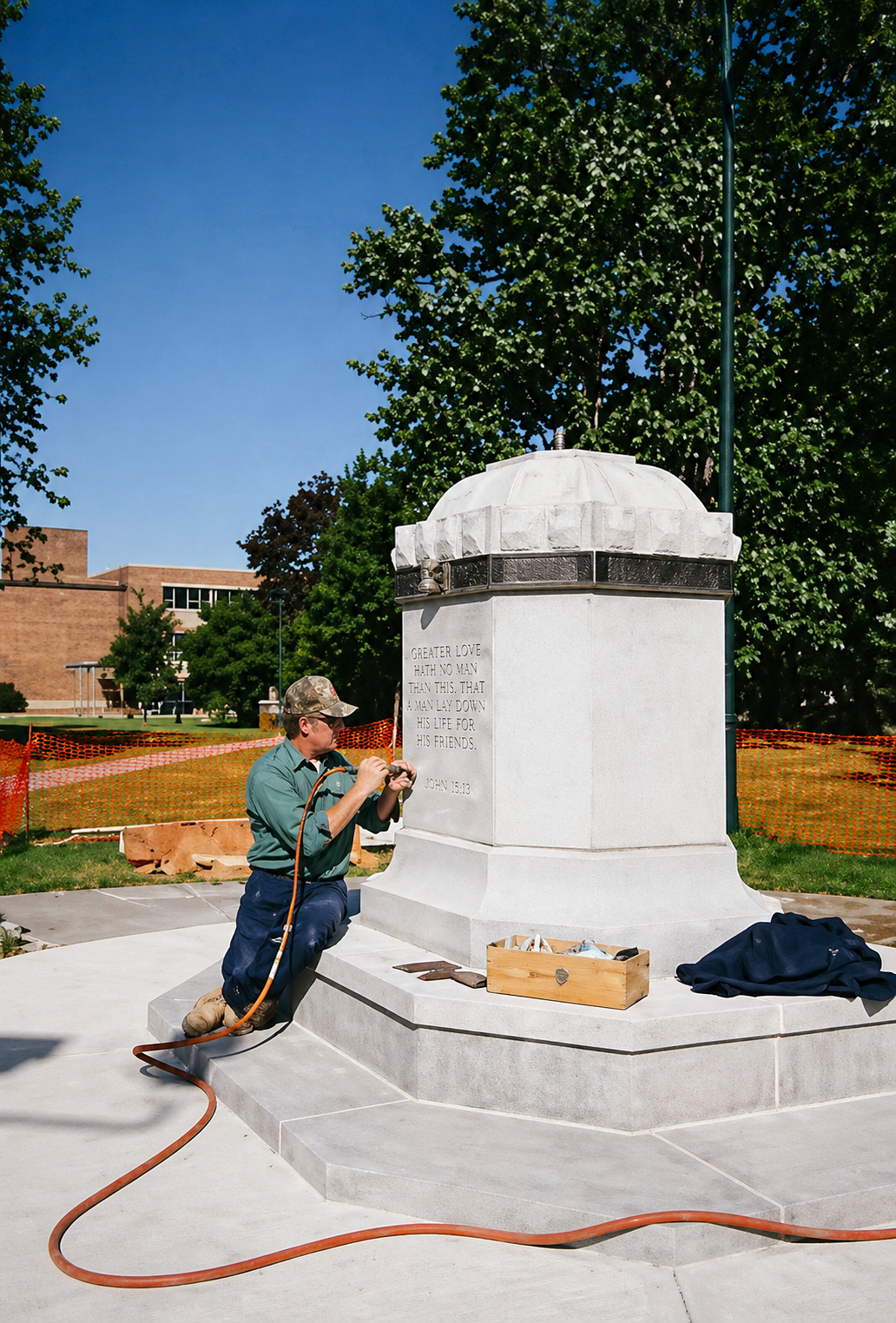
Engraving begins after all design details are finalized.
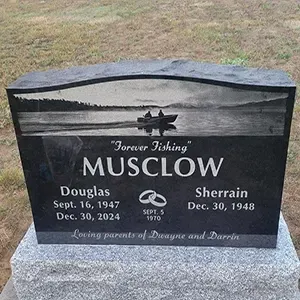
Most lettering and artwork are created using sandblasting through a stencil, which allows for clean, consistent results. For more detailed designs, hand-etching techniques are used to add depth and precision.
Step 4 – Adding Detail and Personalization
Additional detailing can enhance both appearance and meaning.
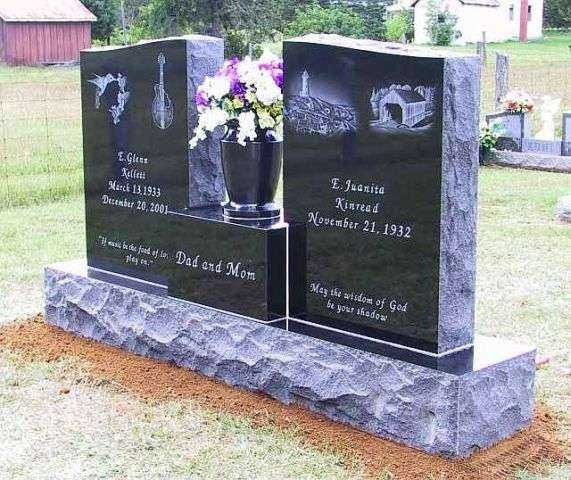
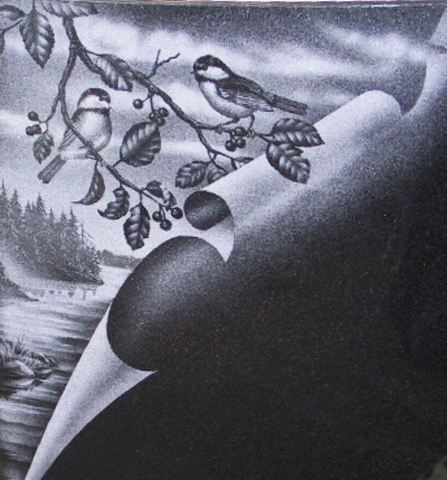
Shape carving, texture work, and custom artwork allow each memorial to reflect the individual it represents. More detailed images, such as portraits, are created using specialized etching methods.
Step 5 – Setting the Monument
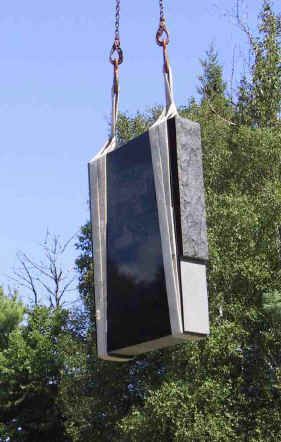
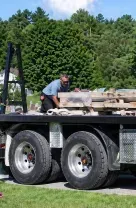
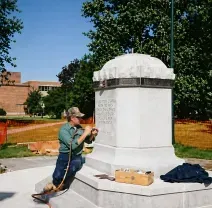
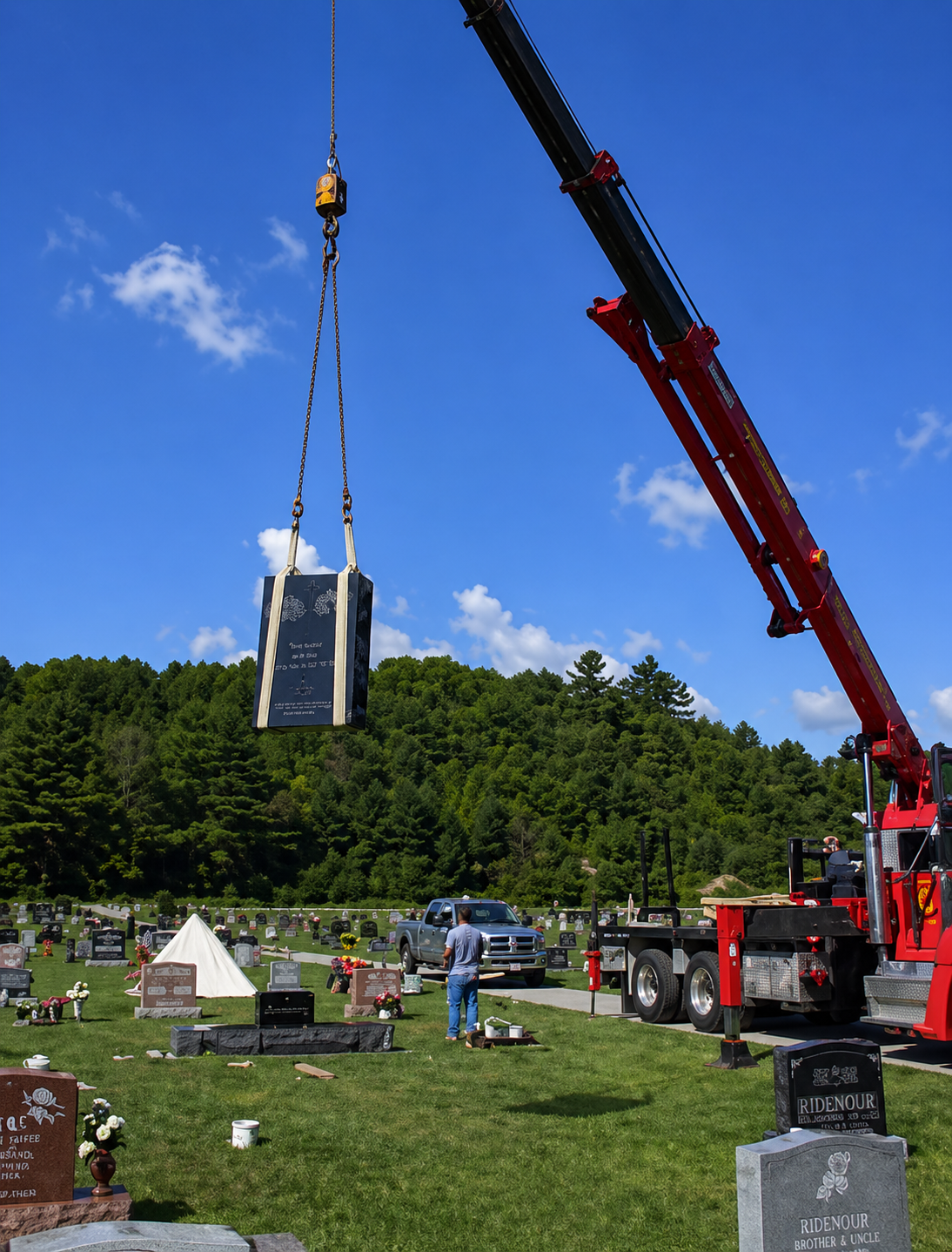
Once completed, the monument is delivered to the cemetery and installed on a prepared concrete footing.
The monument is set without mortar, allowing for safe adjustment if needed. A specialized sealing method is used to create a strong, long-lasting bond between the base and tablet.
Ongoing Support and Reassurance for Families
Standing by Your Family Before, During, and After Installation
Lons Memorials
is committed to supporting families long after the monument is in place. We understand that questions or concerns can arise, whether it is about cemetery maintenance, additional inscriptions, or seasonal flower saddles. Our team remains available for advice and hands-on care, offering environmentally friendly cleaning, prompt repairs for sinking or tipped stones, and expert guidance on local cemetery regulations in communities from Kingston to Haliburton. If you are considering pre-need arrangements, we explain the benefits of securing today’s pricing and allowing your wishes to be known in advance. For immediate needs, we move quickly and compassionately, coordinating with funeral homes and cemeteries to reduce stress. Our approach is always personal. Families speak directly with experienced staff who understand both the technical and emotional aspects of memorialization. By choosing Lons, you are not just purchasing a stone, but gaining a trusted partner dedicated to representing your family’s memories with dignity and care.
Your Memorial Planning and Monument Questions Answered
Common Inquiries About Planning, Purchasing, and the Monument Process
What is the monument making process?
The monument making process includes selecting high-quality granite, shaping the stone, engraving the design, and carefully setting it in the cemetery. Each step is completed with precision to ensure the memorial is both durable and meaningful.
Why is granite used for most monuments?
Granite is used because it is one of the most durable natural materials available. It resists weathering, cracking, and fading, allowing memorials to remain intact and readable for generations.
What does “monument-grade granite” mean?
Monument-grade granite is selected for its density, strength, and uniform structure. It must be free of internal faults and resistant to moisture, staining, and long-term environmental damage.
How is granite removed from a quarry?
Granite is carefully separated using controlled drilling and cutting methods rather than heavy explosives. This helps prevent internal damage and ensures the stone remains strong enough for long-term use.
How is a monument shaped and polished?
Large granite blocks are cut into slabs, then shaped into the desired size and style. The surface is gradually smoothed using grinding tools until a polished or finished look is achieved.
FAQS
Questions About Our Granite Monuments
What colors of granite can I choose from?
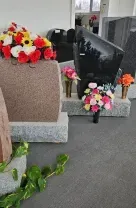
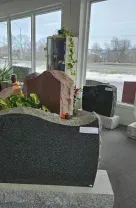
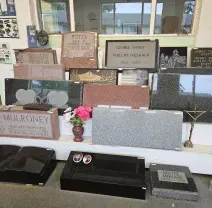
We keep 12 colors of stone in our shop. This includes black, rose, and grey. We can also order special colors if you have something else in mind.
Frequently Asked Questions 2
Describe the item or answer the question so that site visitors who are interested get more information. You can emphasize this text with bullets, italics or bold, and add links.Frequently Asked Questions 3
Describe the item or answer the question so that site visitors who are interested get more information. You can emphasize this text with bullets, italics or bold, and add links.Frequently Asked Questions 4
Describe the item or answer the question so that site visitors who are interested get more information. You can emphasize this text with bullets, italics or bold, and add links.Frequently Asked Questions 5
Describe the item or answer the question so that site visitors who are interested get more information. You can emphasize this text with bullets, italics or bold, and add links.

Family Experiences with Our Planning Process