

Memorial Glossary of Terms
Browse clear definitions of common monument, headstone, and cemetery terms. This glossary helps you understand the language used when planning, designing, or caring for a memorial.
Common Memorial & Monument Terms
Simple, straightforward definitions used in monument design, engraving, and cemetery services across Belleville and Eastern Ontario.
Memorial – A tribute or remembrance made permanent through a monument.
Monument– The physical structure of a memorial, often serving as the central focal point of a gravesite.
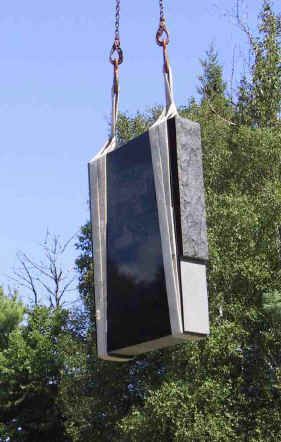
Tablet– A block of granite shaped and prepared for engraving. This is the preferred term over “die.”
Marker– A flat or slightly sloped memorial set at ground level, typically more cost-effective than upright monuments.
Base–
The bottom portion of a monument, usually wider for stability. It elevates the tablet and protects it from damage.
Columbarium – An above-ground structure with niches for holding urns containing cremated remains.
Crypt – An underground burial chamber.
Mausoleum – A building, typically made of granite, that houses multiple crypts for above-ground entombment.
Vault – A protective container placed in the ground to enclose a casket and prevent soil collapse.
Ledger – A flat stone slab covering a grave, set flush with the ground.
Bevelled – A surface that is cut on a slope to improve readability.
Pillow Marker – A low-profile memorial with a gentle slope, offering more visibility than flat markers.
Serpentine (Serp) –
A curved monument top, available in full, half, or three-quarter shapes.
full serp
3/4 serp
half serp
Hickey – A monument with a sloped face, typically thicker at the base than the top.
Scotia Curve – A concave, rounded edge used as a decorative detail where two surfaces meet.
Margin – A contrasting edge finish along a monument, either polished, sawn, or natural.
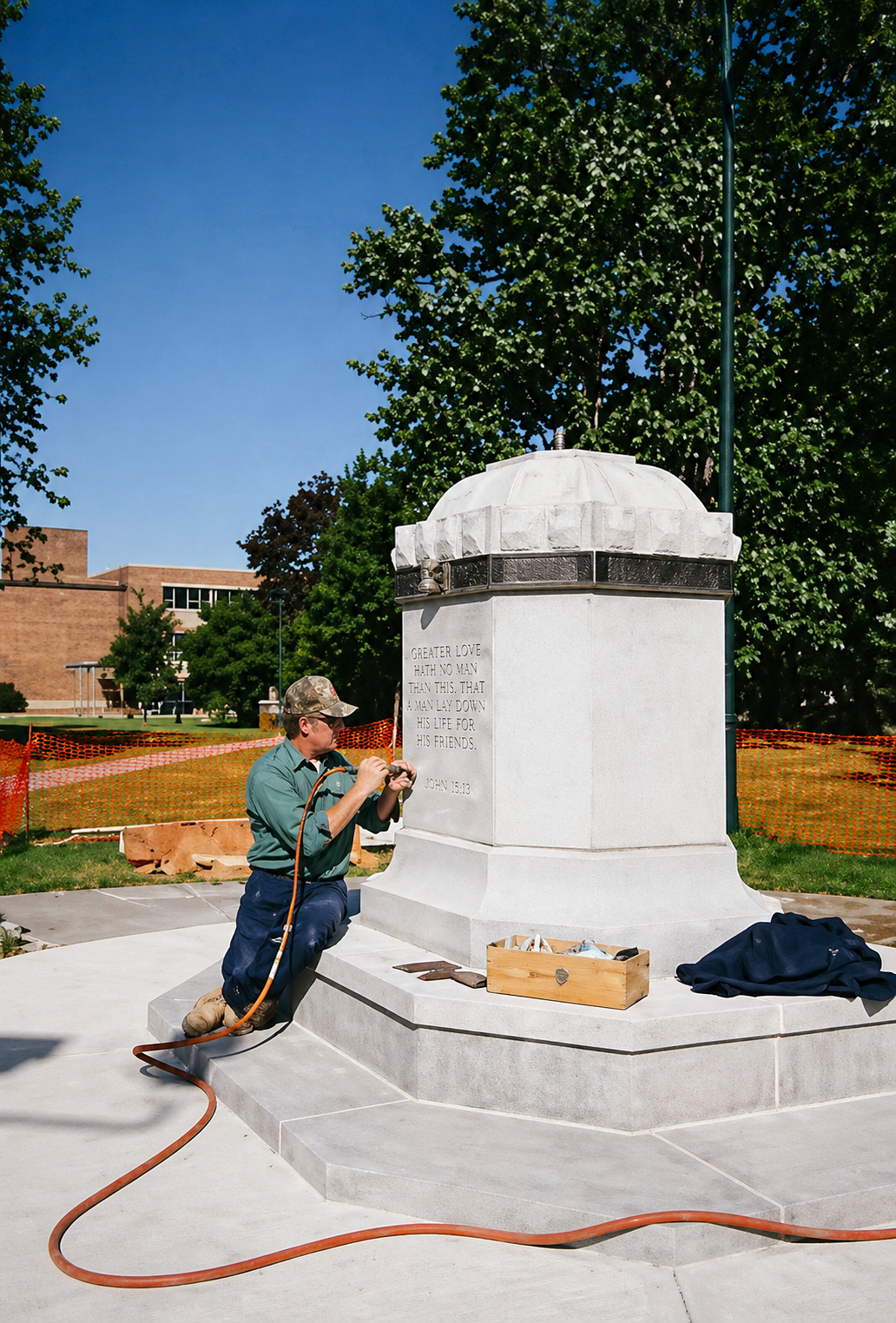
Inscription – The wording engraved on a memorial, including names, dates, and messages.
Epitaph – A meaningful phrase, quote, or message honoring the deceased.
Engraving – The process of cutting lettering or artwork into granite.
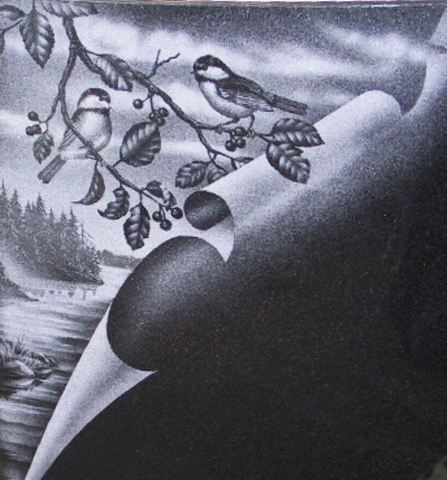
Etching – Detailed surface artwork, often used for portraits or complex images on polished granite.
Raised Lettering – Lettering that appears raised by removing the surrounding background.
Sunken Lettering – Lettering carved directly into the stone using sandblasting.
V-Cut – A hand-chiselled engraving style with a V-shaped groove for a refined finish.
Double Outline – A decorative lettering style typically used for family names.
Polished – A smooth, glossy granite surface created using diamond abrasives.
Smooth – A flat surface without shine or reflection.
Natural Finish – An untreated surface that retains a rough, stone-like appearance.
Pitching – A technique used to create a rough, natural stone edge.
Frosted / Dusted – A lightly sandblasted surface used to improve contrast for lettering.
Texture – The natural pattern, grain, and color variation within granite.
Polish Levels (1, 2, 3, 5)
– Indicates how many sides of a monument are polished (front only up to all sides).
Footing – The concrete foundation that supports a monument and keeps it level.
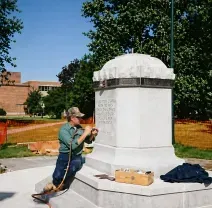
Setting (Set) – The process of installing and assembling a monument at the gravesite.
Stake-Out – Marking the exact location of a monument before installation.
Pinning –
Using metal rods to secure stone pieces together for added strength.
Sandblast – A high-pressure stream of abrasive material used to engrave granite.
Stencil – A rubber template used during engraving to protect areas not being cut.
Proofs – A preview of the engraving layout provided for approval before final work begins.
Layout – The arrangement of lettering and artwork on a memorial.
Rubbing – A transfer method used to replicate or verify existing engravings.
Corner Posts – Small granite markers placed at the corners of a cemetery plot.
Footstones – Small markers placed at the foot of a grave, often indicating identity or relation.
Panel – A defined area on a monument where lettering is placed.
Tooling – A chiselled surface finish used to create texture and contrast.
Lonite – A historical composite material previously used for monuments before granite became standard.
Lithochrome – A dye used to enhance engraving contrast, though natural contrast is preferred.
Contrast – The visibility difference between granite and engraving, influenced by material and finish.
Paint (Industry Term) – A discouraged method of enhancing lettering using inferior materials instead of proper engraving techniques.
Spot Work – Small, often complimentary onsite adjustments or maintenance tasks.